Breaking International News: Ouster and Arrest
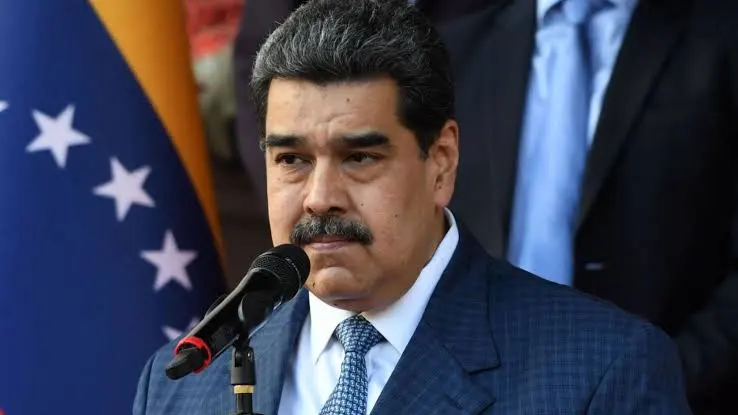
Nicolás Maduro, the long-time leader of Venezuela, has been removed from power and taken into U.S. custody, a development that has sent shockwaves through Latin America and the world. Once the president of Venezuela for nearly 14 years, Maduro’s rule ended abruptly after a U.S. military operation on January 3, 2026, leading to his capture and transfer to a federal court in New York.
This extraordinary turn of events follows years of mounting tensions between Maduro’s government and the United States, which repeatedly accused him of corruption, authoritarianism, and involvement with international drug cartels — allegations Maduro vehemently denies.
Nigeria Bombing Claims Spark Global Attention as U.S. Denies Direct Strikes
Who Is Nicolás Maduro?
Nicolás Maduro Moros (born November 23, 1962, in Caracas) rose from modest beginnings as a bus driver and union activist to become a key ally of former Venezuelan president Hugo Chávez. After serving in several government roles — including foreign minister and vice president — Maduro succeeded Chávez following his death in 2013. He won a controversial election later that year and remained in power through what many international observers described as fraudulent elections and authoritarian governance.
Under his administration, Venezuela suffered a serious economic collapse, with widespread shortages, hyperinflation, and millions fleeing the country amid political repression. Opponents and human rights groups branded Maduro a dictator, accusing him of stifling dissent and manipulating electoral processes to stay in power.
Third Term and Domestic Controversy
Maduro was controversially sworn in for a third presidential term on January 10, 2025, following a December 2024 election that was widely condemned by foreign governments and regional leaders as lacking transparency and legitimacy. Many nations refused to recognize his mandate, citing irregularities and a failure to release full vote tallies.
Despite international criticism and internal protests, Maduro continued to assert control — until the dramatic U.S. intervention in early 2026.
Merry Christmas 2025: How the U.S. Is Preparing for the Holiday Season
U.S. Military Operation and Legal Charges
In what U.S. officials described as Operation Absolute Resolve, American forces carried out a coordinated mission in Caracas that resulted in Maduro’s arrest. He and his wife, Cilia Flores, were flown to the United States to face federal charges, including narcotics trafficking and weapons violations in the Southern District of New York. Both pleaded not guilty during recent hearings in Manhattan.
Maduro has called his capture a “kidnapping” and continues to assert that he remains the legitimate president of Venezuela, even as the U.S. legal process unfolds.
Venezuela’s Reaction: Mourning and Interim Leadership
In Venezuela, reactions have been intense and polarized. The government reported that at least 100 people were killed “in cold blood” during the U.S. operation, prompting an official week of mourning. Venezuelan authorities condemned the mission as an illegal and aggressive act.
Meanwhile, Vice President Delcy Rodríguez has been sworn in as interim president, backed by Venezuela’s Supreme Court and military. Her leadership marks a pivotal moment in Venezuela’s turbulent political transition as the nation navigates internal division and external pressure.
International Consequences and Asset Freezes
Switzerland has frozen Maduro’s international assets — including cash, property, and luxury possessions — as part of broader efforts to prevent the transfer or misuse of funds linked to corruption and illicit activities. These measures could eventually benefit the Venezuelan people if legal proceedings confirm wrongdoing.
The U.S. has also taken control of Venezuelan oil production and sales through seized tankers, asserting economic influence while promising to direct revenue toward humanitarian needs and reconstruction — a move that has drawn both praise and criticism from global powers, including China.
Maduro’s Legacy: A Nation Transformed
Even critics acknowledge Maduro’s survival through nearly 14 years of crises — economic collapse, political repression, and mass migration — made him one of Latin America’s most controversial leaders. His downfall marks a dramatic ending to a chapter that deeply affected millions of Venezuelans and shaped geopolitics in the Western Hemisphere.
Ongoing Legal and Diplomatic Developments
Maduro’s next U.S. court appearance is scheduled for March 17, as legal teams prepare for a prolonged and highly scrutinized trial. Diplomats, legal scholars, and world leaders continue debating the legality and implications of the U.S. action — including concerns about sovereignty and precedent.
As Venezuela adapts to a leadership vacuum and an uncertain future, the world watches closely — from Washington to Caracas and beyond — to see how this historic moment reshapes the region’s political landscape.